Why Do My Gums Bleed When Flossing? Causes and Effective Remedies
Noticing that your gums bleed when flossing can be alarming, but it is often a manageable sign that your oral health needs more attention. Whether it is a result of a new routine or an underlying condition like gingivitis, addressing the cause early is the key to maintaining a lifelong healthy smile.
What Does It Mean When Your Gums Bleed After Flossing?
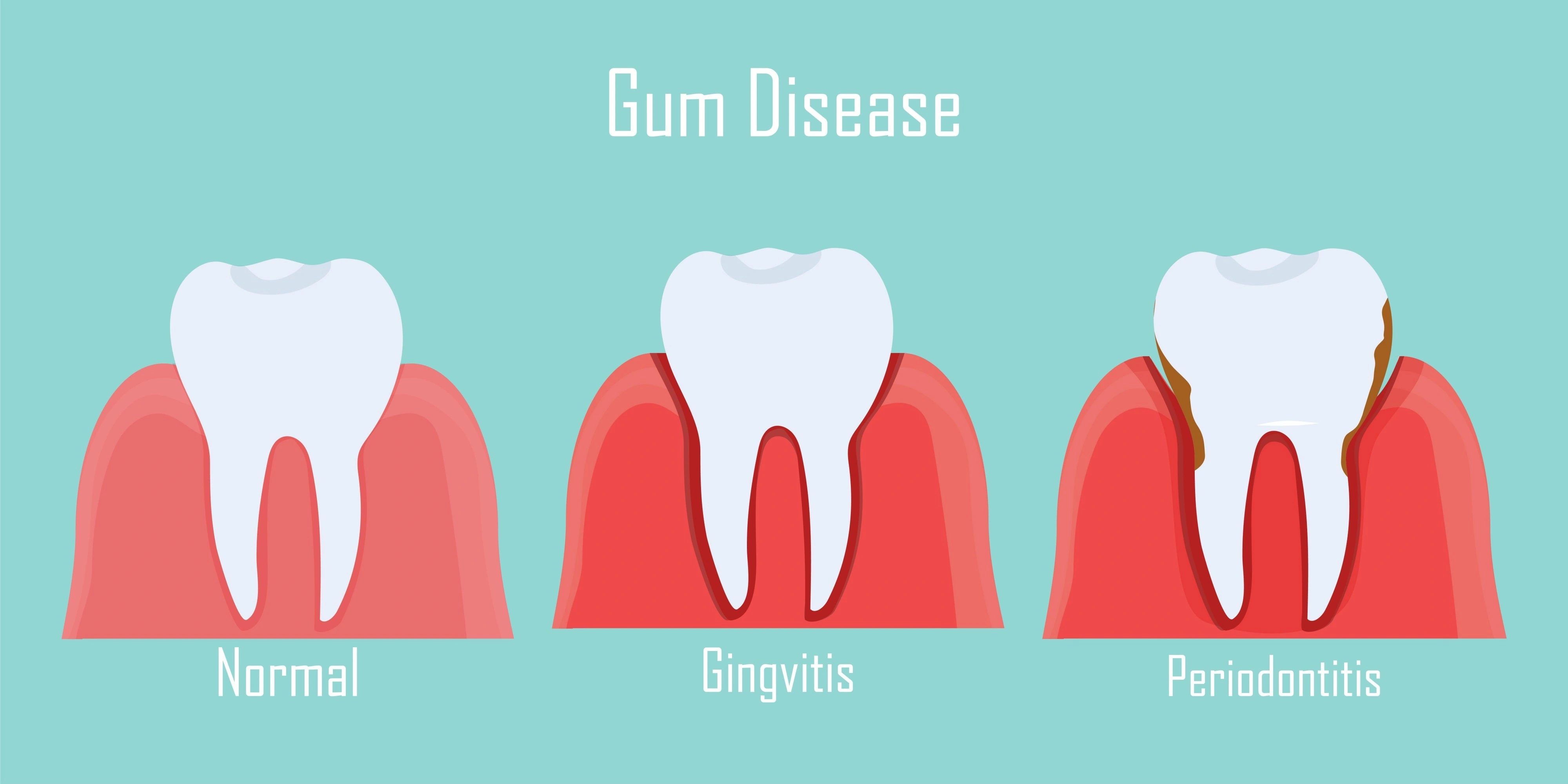
When your gums bleed after flossing, it is usually a clear signal of inflammation. In most cases, this is caused by the accumulation of plaque—a sticky film of bacteria—along the gum line. If not removed through consistent hygiene, this plaque hardens into tartar, which irritates the gum tissue and leads to spontaneous bleeding during cleaning.
The Main Causes: Why Do My Gums Bleed?
Several factors can contribute to what causes gums to bleed when flossing:
Gingivitis: The earliest stage of gum disease, where bacteria cause the tissue to become red and swollen.
Aggressive Technique: Using too much force or an incorrect flossing angle can physically traumatize the delicate gum tissue.
Pregnancy Gingivitis: Hormonal changes can increase blood flow to the gum tissue, making them more sensitive.
New Routine: If you haven't flossed in a long time, your gums may bleed for the first few days as they adjust to the stimulation.
Is It Normal for Gums to Bleed When Flossing?
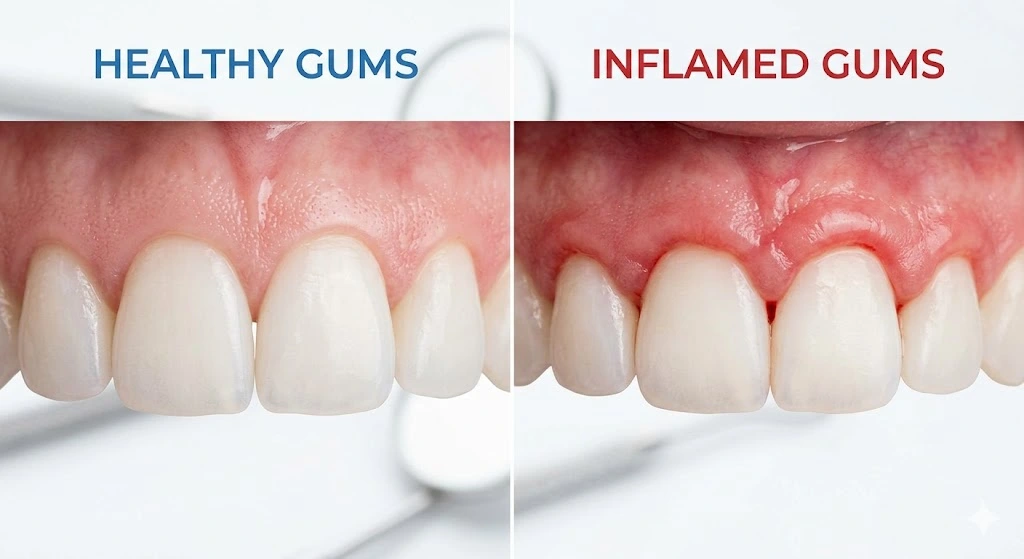
Technically, healthy gums do not bleed. While it is common for people to experience slight bleeding if they are inconsistent with their oral hygiene, it should not be considered "normal" in a healthy mouth. Do healthy gums bleed when flossing? The answer is no; bleeding is almost always a sign that the gums are fighting off an infection or irritation.
How to Treat Gum Bleeding: Practical Solutions
If you are wondering how to stop the discomfort and restore your oral health, here are the most effective ways to treat gum bleeding:
- Improve Your Flossing Technique: Instead of forcing the floss against your gums, wrap it in a "C-shape" around each tooth and use gentle up-and-down motions to remove plaque without causing trauma.
- Schedule a Professional Dental Cleaning: Sometimes, home care isn't enough. Professional scaling at Dentalays removes hardened tartar (calculus) that is the primary source of infection and bleeding.
- Use Antiseptic Mouthwash: Rinsing with an alcohol-free, antibacterial mouthwash can help reduce the bacterial load in your mouth and soothe inflamed tissues.
- Warm Salt Water Rinses: A simple home remedy of rinsing with warm salt water can help reduce swelling and kill bacteria naturally during the healing process.
- Maintain a Nutrient-Rich Diet: Ensure you are getting enough Vitamin C and Vitamin K, as these nutrients are essential for gum strength and proper blood clotting.
Will Flossing Help Bleeding Gums?
Yes, will flossing help bleeding gums? Absolutely. Consistent, gentle flossing is actually the primary remedy for most cases of bleeding caused by gingivitis.
Pros
- Removes bacteria and food debris that a toothbrush cannot reach.
- Reduces gum inflammation and swelling over time.
- Prevents the progression to more serious periodontal disease.
Cons
- May cause temporary discomfort or minor bleeding during the first week of a new routine.
- Can damage gums if done with an aggressive, "sawing" motion rather than a gentle "C-shape" wrap.
The Professional Treatment Procedure at Dentalays
If home care isn't enough, our specialists at Dentalays provide a comprehensive deep cleaning process to restore your gum health:
- Consultation: A thorough exam and digital X-rays to check for any underlying bone loss.
- Scaling: Removing tartar and plaque from above and below the gum line using advanced ultrasonic tools.
- Root Planing: Smoothing the tooth root to help the gums reattach securely and prevent future bacteria buildup.
- Follow-up: We typically monitor your healing over a two-visit timeline to ensure the inflammation has completely subsided.
Frequently Asked Questions (FAQ)
How Long Does It Take For Gums To Stop Bleeding After Flossing Regularly?
With proper technique and daily flossing, bleeding usually stops within 7 to 10 days as the tissue heals and becomes stronger.
Is It A Sign Of A Serious Problem If My Gums Keep Bleeding?
If bleeding persists for more than two weeks despite regular flossing, it could indicate advanced periodontitis, which requires professional intervention from a dentist.
Should I Stop Flossing If My Gums Bleed?
No. Stopping will allow more plaque to build up, worsening the inflammation. You should continue flossing but ensure you are using a much gentler technique.
Can A Water Flosser Replace Traditional Floss?
Water flossers are excellent for sensitive gums and can be very effective, though traditional string floss is often better at scraping away sticky plaque between tight teeth.